

Crypto & Web3
Crypto UX design and Web3 UX design for wallets, trading flows, DeFi platforms, and onboarding journeys that need more clarity, trust, and adoption.


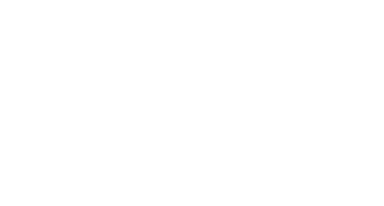

Design crypto trading app experiences that help users track markets, review positions, and complete high-stakes actions with more confidence.
Create crypto wallet app design that makes wallet setup, asset access, transfers, and transaction reviews easier to understand and trust.
Build Web3 UI UX design that reduces friction across wallet connections, approvals, account-linked journeys, and blockchain-based actions.
Design DeFi experiences that make staking, swaps, lending, and token interactions clearer for both new and experienced users.
Clarify transaction states, permissions, errors, and confirmation moments so users know what is happening before they act.
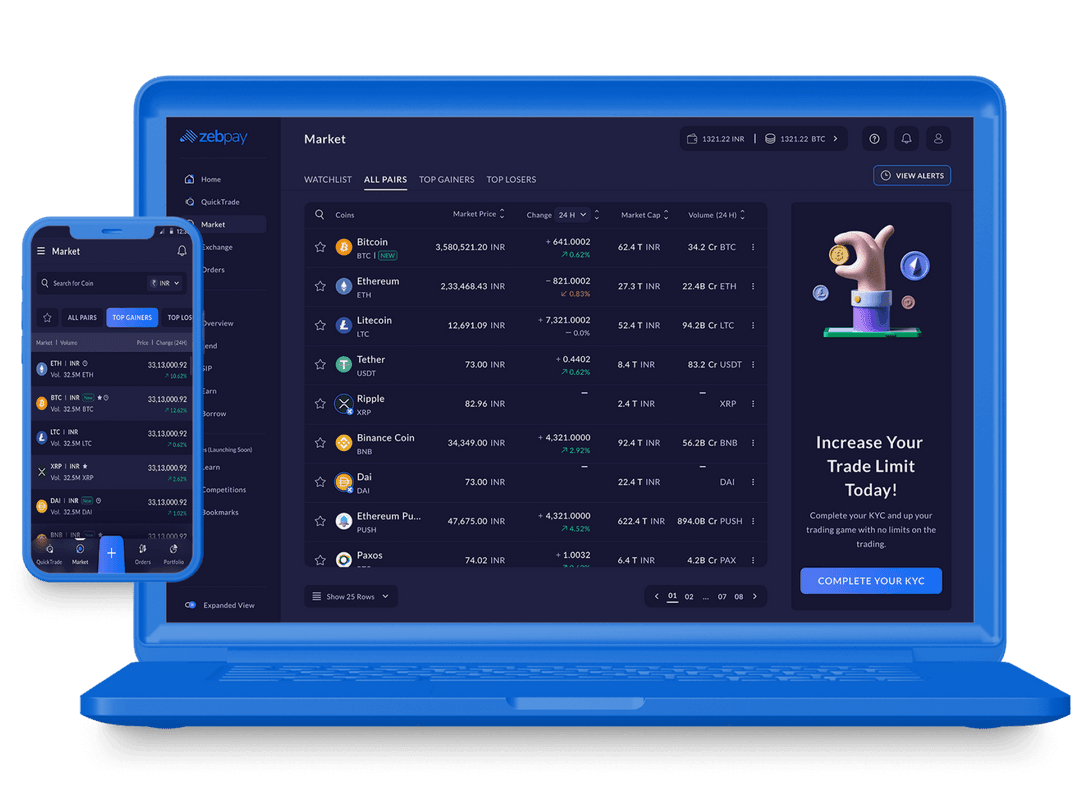
Bringing every individual to the blockchain revolution.
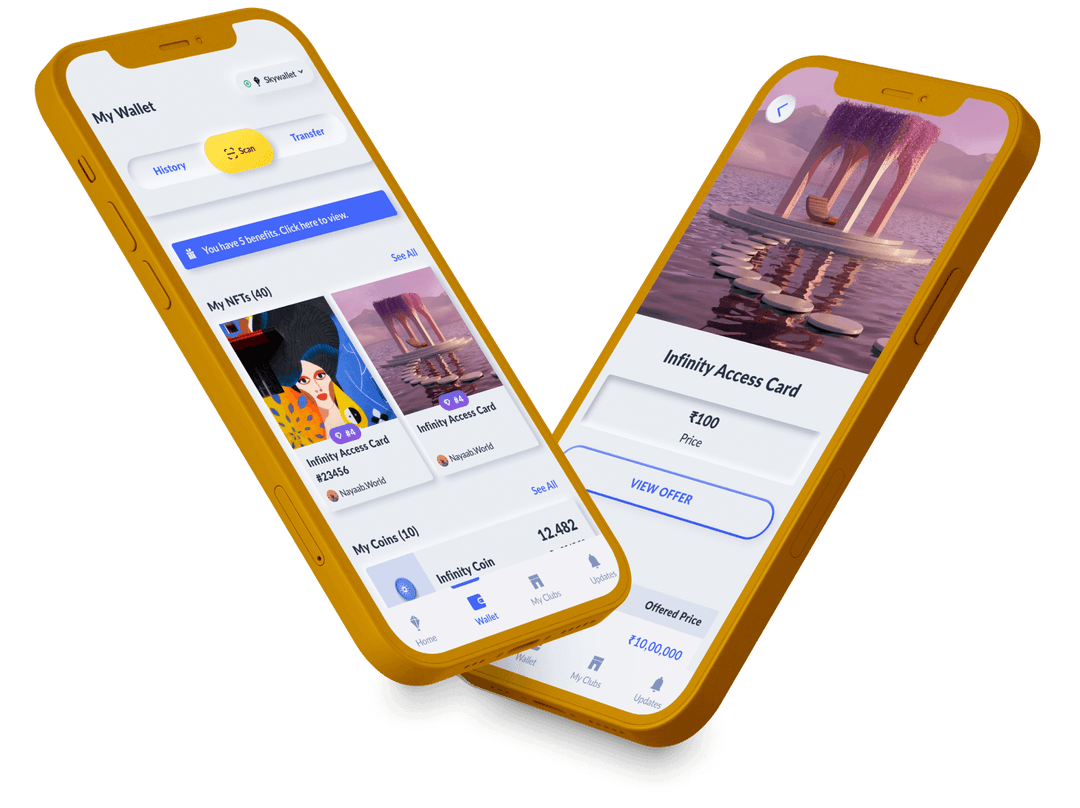
Streamlining Web3 Adoption with User-Friendly Design.
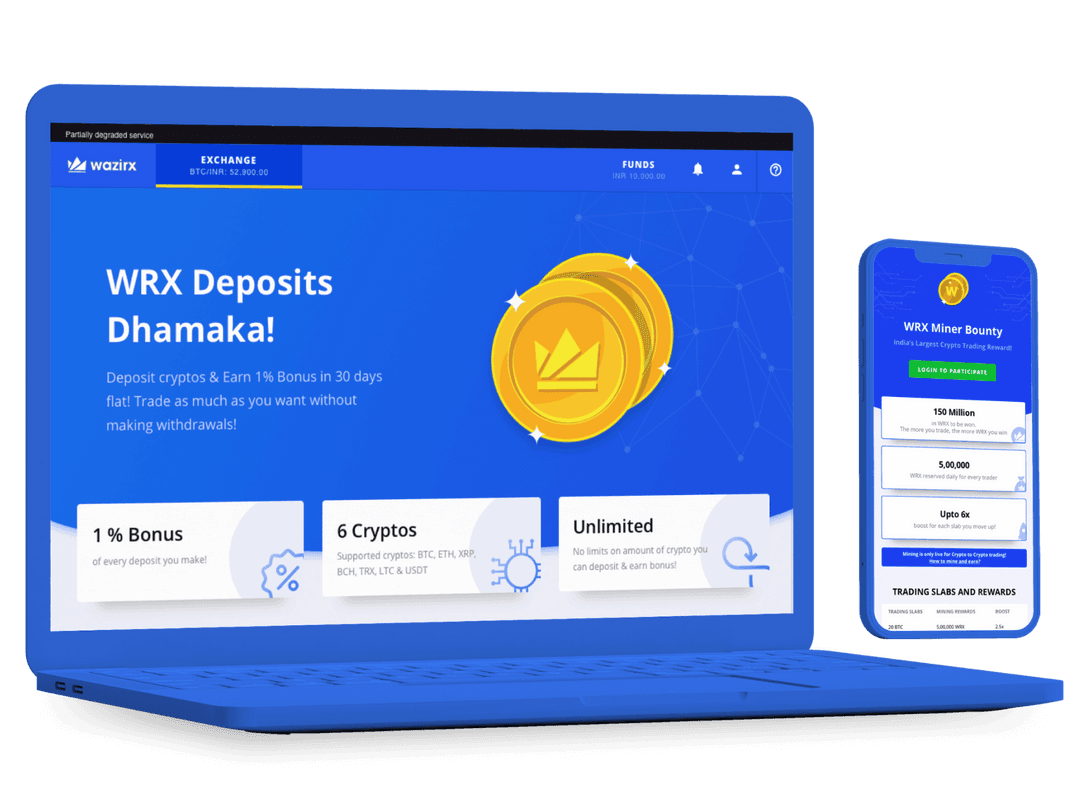
Democratizing Crypto Trading For All.
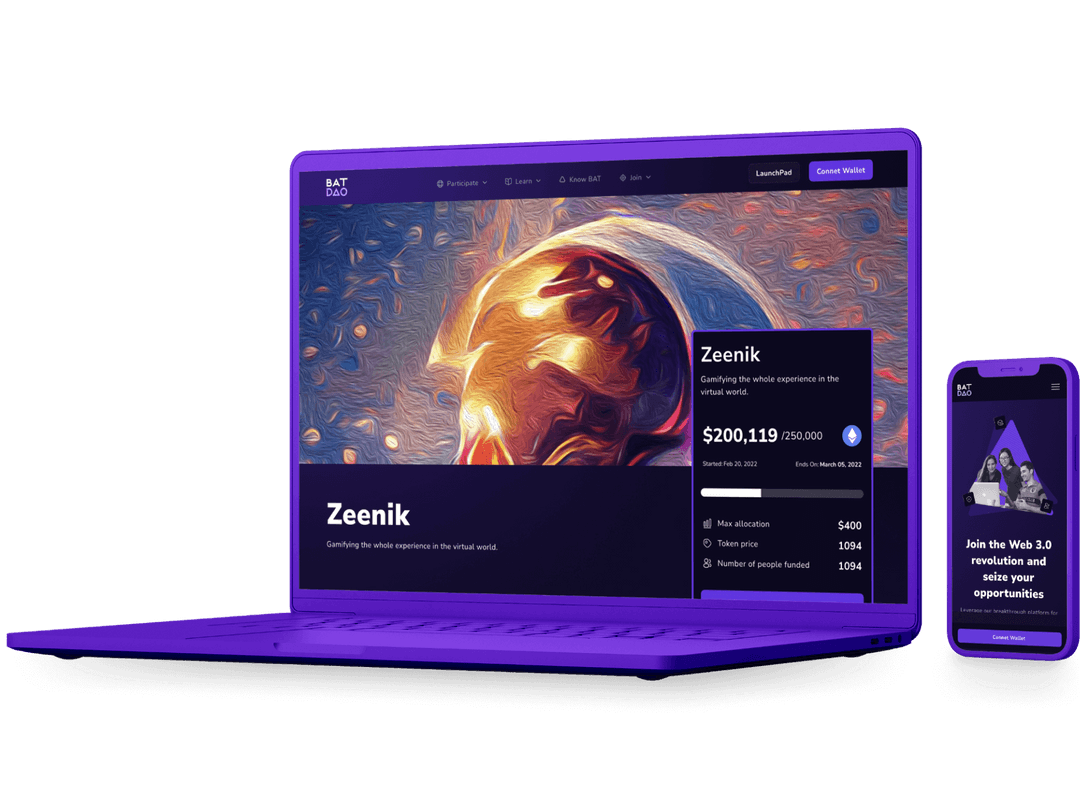
Bridging Developers and Investors Efficiently.


Crypto UX design focuses on making wallets, trading platforms, and blockchain-based products easier to understand and use. It reduces confusion around high-stakes actions such as sending assets, approving transactions, and managing accounts.

Web3 UX design has to handle wallet connections, token interactions, transaction approvals, and trust gaps that most standard apps do not face. That makes clarity, guidance, and risk communication much more important.
Crypto app design can include onboarding, wallet journeys, trading flows, dashboard design, transaction states, portfolio views, and design systems. The scope depends on whether the product needs a redesign, a new feature, or a full product experience.
Crypto wallet UX design affects whether users feel confident creating wallets, storing assets, reviewing balances, and completing transactions. When those flows feel unclear, users hesitate, make mistakes, or leave the product.
A strong crypto trading app UI design helps users track markets, understand data, review positions, and act quickly without overload. It should make decision-heavy screens feel structured, readable, and easier to trust.
Web3 onboarding improves when products explain wallet setup, permissions, approvals, and next steps in simple language. Good onboarding reduces the knowledge gap for new users without slowing down experienced users.
A strong crypto wallet app design should make balances, asset activity, transfers, security steps, and transaction history easy to understand. It should also help users feel safe during actions that involve risk or irreversible outcomes.
Design defines the structure, flows, and interaction logic that development brings to life inside the product. When Web3 UI UX design and development stay aligned early, teams reduce rework and make blockchain interactions easier to implement clearly.
A redesign usually makes sense when onboarding is weak, wallet flows feel confusing, users drop off during transactions, or the product feels too complex for broader adoption. It is also useful when the interface no longer matches the maturity of the platform.
Look for a team that understands wallet behavior, transaction clarity, onboarding friction, and how trust affects product adoption. Strong crypto UX design should improve how the product works, not only how it looks.




 India
India Singapore
 USA
USA


