-
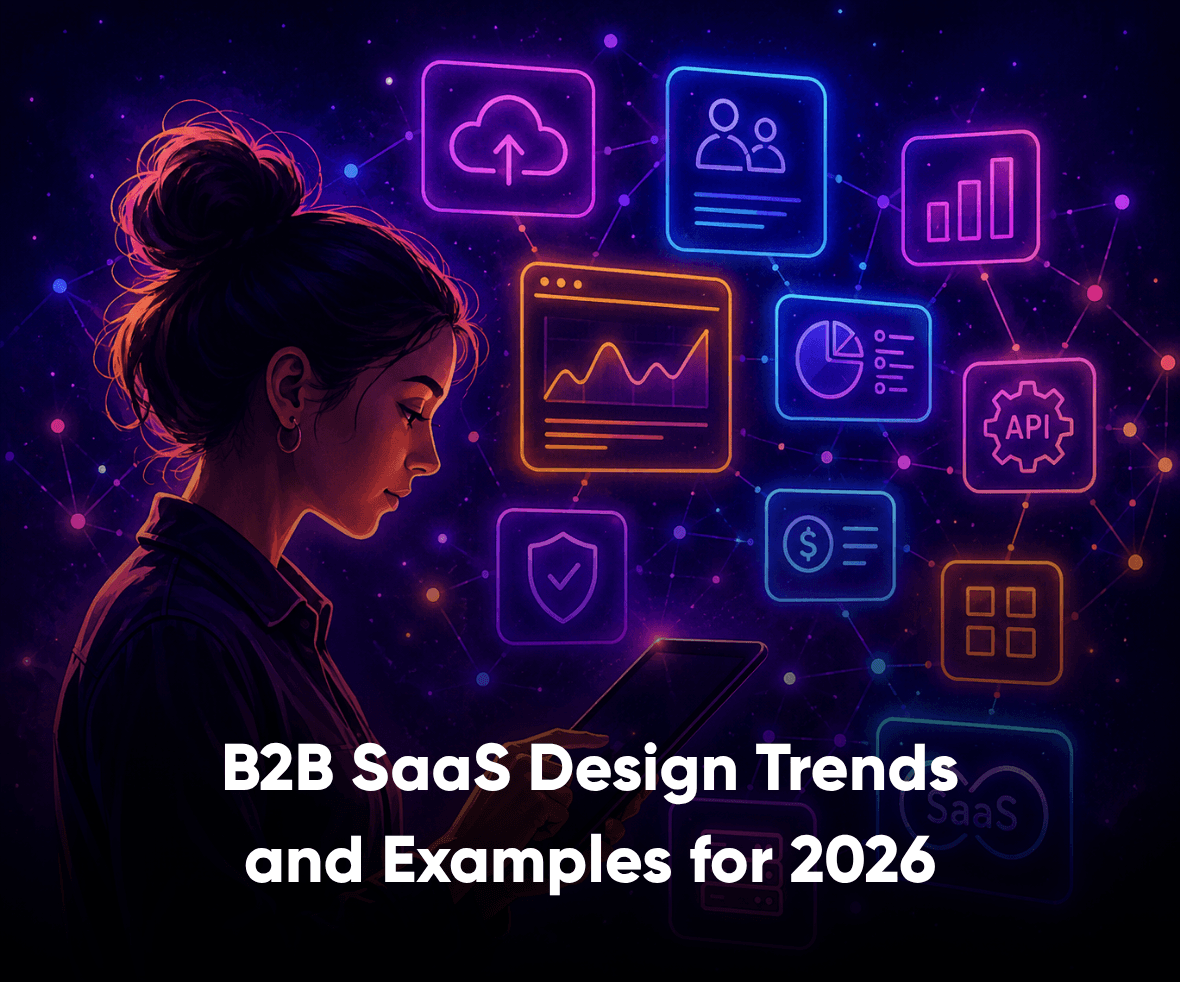
B2B SaaS Design Trends and Examples for 2026
SaaS users are tired of overloaded dashboards, scattered workflows, and interfaces that make simple decisions feel slow. That is why B2B SaaS design trends in 2026 are shifting toward clarity, speed, and product adoption. Precedence Research estimates the global SaaS market at $465.03 billion in 2026, up from $408.21 billion in 2025. As SaaS spending…

-
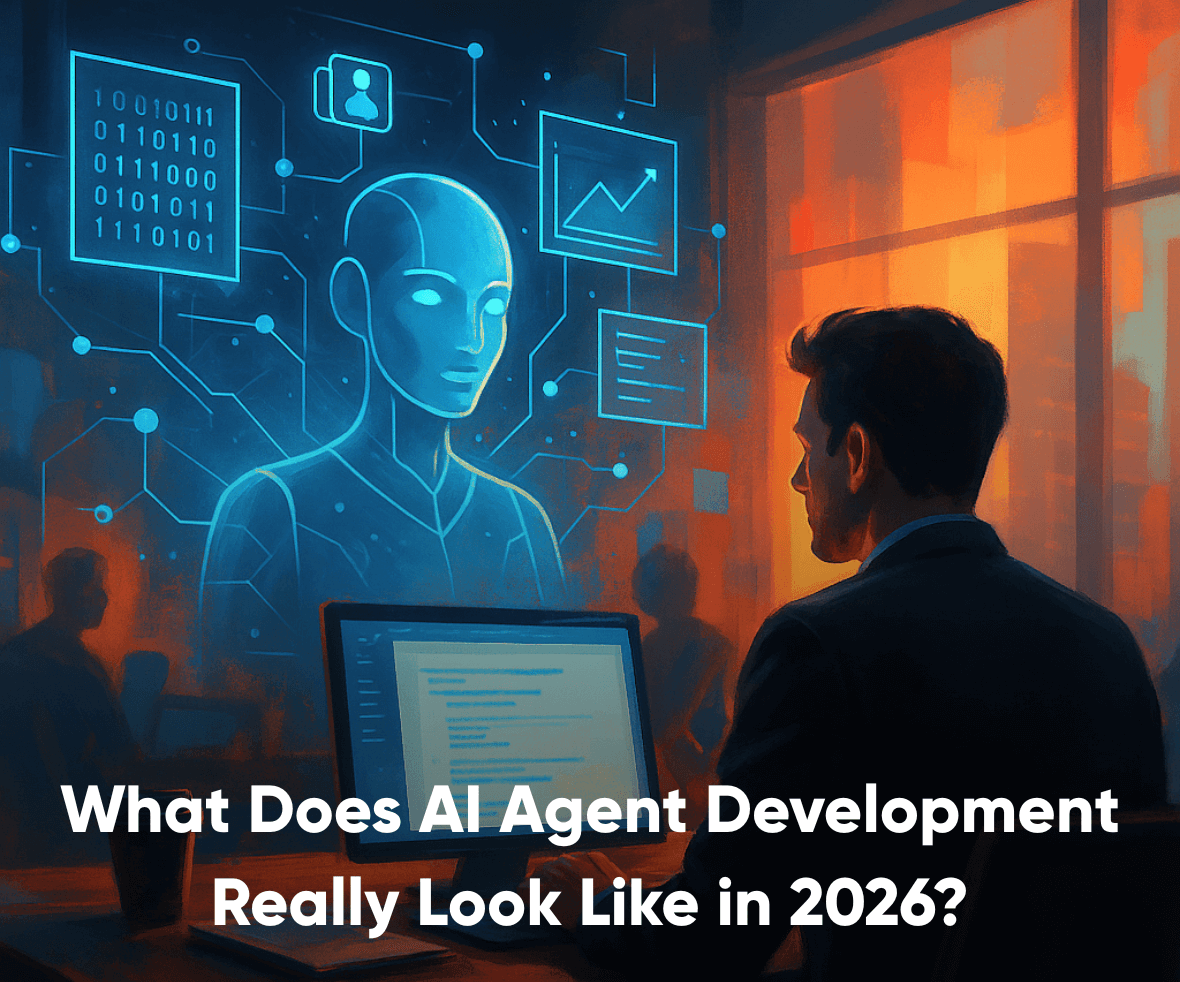
What AI Agent Development Really Looks Like in 2026?
AI agent development in 2026 is not about writing one strong prompt and expecting the system to run a business process on its own. That might work for a demo. It does not work for production. Building an AI agent usually means assembling tools, APIs, workflows, prompts, and model calls. Developing an AI agent goes…
-

Best AI Tools for UX Design Teams in 2026
AI tools are no longer quick generators for pretty screens. In 2026, they shape how teams plan journeys, test ideas, create websites, validate flows, and turn product direction into working interface options. The pressure is clear. Product and marketing teams need faster design cycles, but they still need judgment, accessibility, brand trust, and conversion logic.…
-

10 Benefits of Using AI in Software Development
Generative AI is now part of how most software teams work. The 2025 Stack Overflow Developer Survey found that 76% of developers are using or planning to use AI tools in their development process. But adoption alone doesn’t translate to impact, especially when teams treat using AI for software development as a tool rollout instead…
-

15 Typeface Classifications: Examples, Traits & Uses
Typefaces are easier to choose when you understand how they are classified. Typeface classifications group letterforms by shared visual traits, historical origins, and construction, helping designers compare styles instead of judging each font in isolation. There is no single universal classification system. Some systems group typefaces by historical period, while others focus on visible features…
-

15 AI Safety Stats That Will Redefine Digital Trust in 2026
AI Safety is no longer a back-end concern. In 2026, it will become the foundation of digital trust across every digital product, from onboarding and identity verification to chatbots, payments, and content authenticity. As deepfakes scale, regulations accelerate, and AI-generated media flood platforms, many of these signals are already being tracked in our report Key…
-
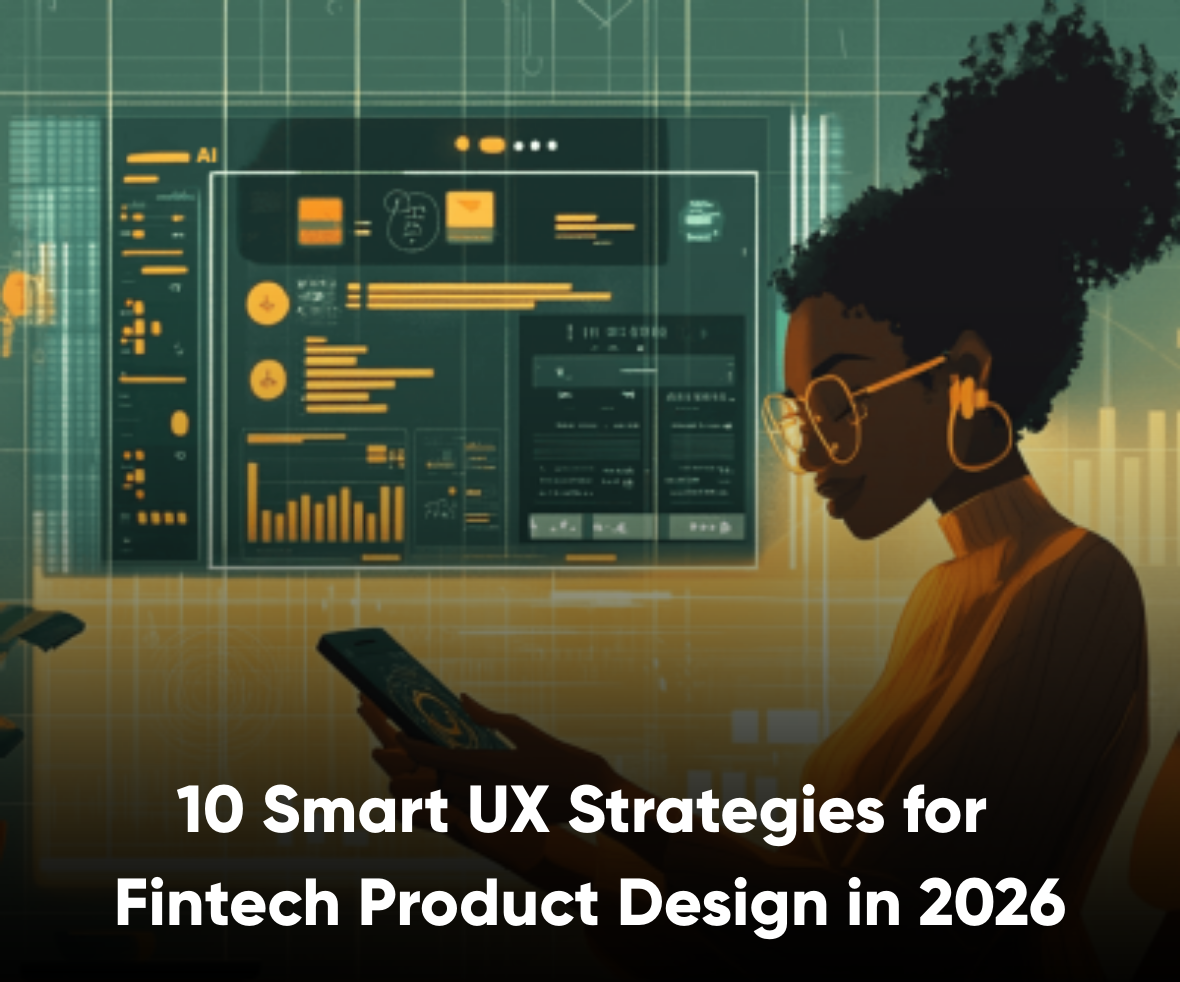
10 Smart UX Strategies for Fintech Product Design in 2026
“Users trust you with their money. Don’t make them regret it.” That’s no longer just a design philosophy, it’s a survival rule in 2026. 88% of users don’t return after a bad UX experience. In fintech, that doesn’t just mean churn. It means broken trust, lost lifetime value, and long-term brand damage. Fintech product design…
-
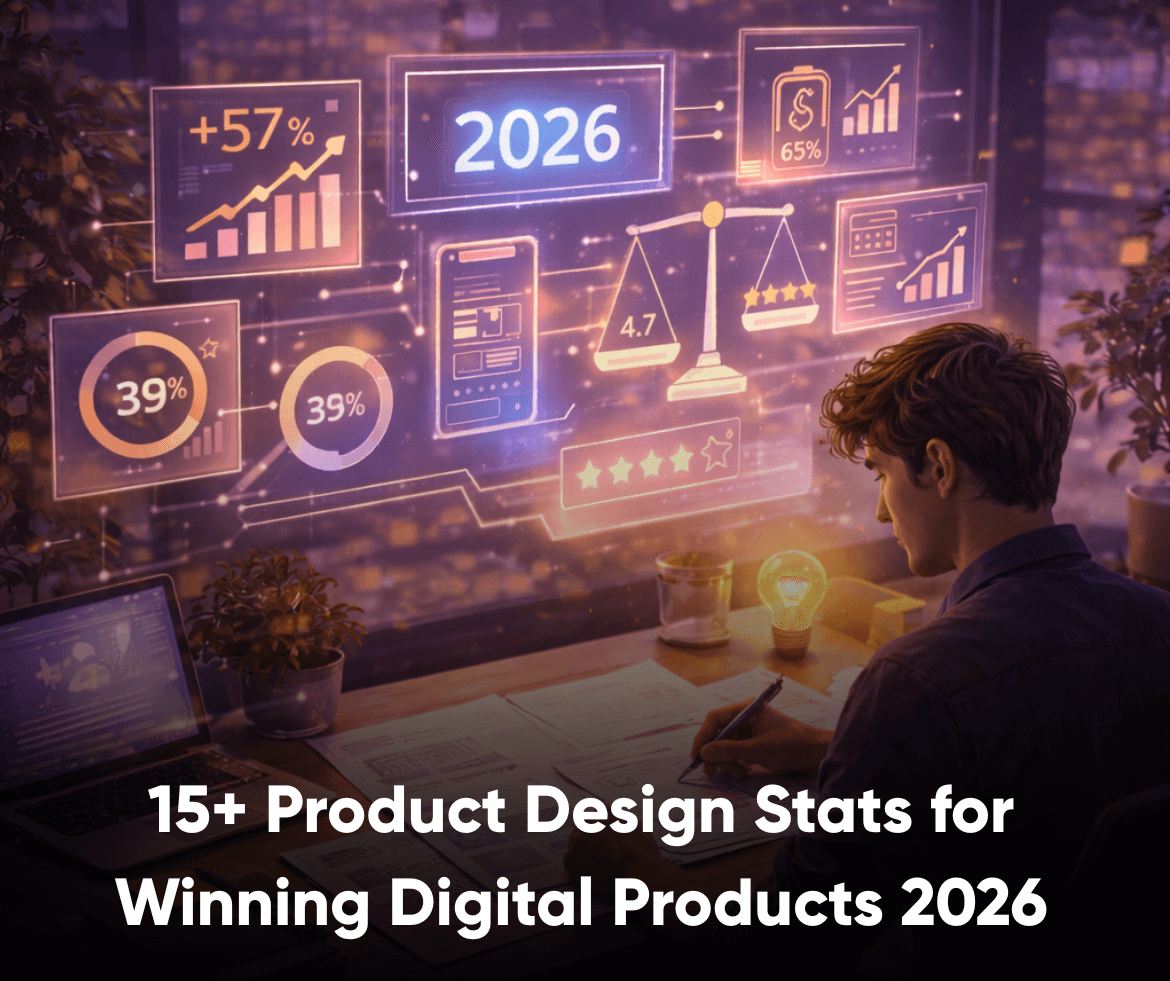
15+ Product Design Stats for Winning Digital Products 2026
In 2026, product design won’t be judged by how modern the UI looks. It’ll be judged by how quickly your digital products reduce friction, build trust, and guide real user experiences. The biggest product design trends are shifting fast, from static screens to adaptive flows, from manual decisions to AI-supported moments, and from “good UI”…
-

Top 9 Healthcare UX Design Strategies and Best Practices
A frustrating healthcare app is not just an inconvenience, it can delay care, create confusion, and increase the risk of costly mistakes. As digital health journeys continue to expand across telehealth, patient portals, remote monitoring, and care coordination, Healthcare UX Design now plays a direct role in patient trust, clinician efficiency, and overall care experiences.…

Sandesh Subedi
